A dedicated collaboration is making radio astronomy more accessible, proving that a shared passion for the stars can bridge communities and inspire learners beyond the traditional classroom.
The universe belongs to everyone, but the tools to explore it have not always been within reach. Enter the Radio Astronomy for Development, Intercultural Innovation, and Outreach (RADIIO) Project (PI: Vardoulaki), a meaningful educational initiative supported by the IAU Office of Astronomy for Development (OAD) and coordinated by the National Observatory of Athens, Greece. Born from a trilateral partnership among Greece, Pakistan, and China, the project set out with a clear and uplifting goal: to bring radio astronomy out of university labs and into the minds of everyday learners, especially the school children.
In Pakistan, this vision took shape through active local alliances with the Khwarizmi Science Society (KSS) and the National Center for Big Data and Cloud Computing (NCBC) at NED University. Together, they developed a thoughtful outreach approach that combined expansive digital networks with focused onsite visits. This method is gently encouraging a deeper appreciation for science and astronomy across the region.
Connecting Communities Across Borders
Astronomy naturally brings people together, and the project’s digital presence reflected this shared connection. By offering online workshops in Urdu, the initiative gracefully crossed geographical boundaries, uniting learners in Pakistan and reaching enthusiastic participants in neighboring countries like India.
The digital curriculum guided hundreds of eager minds through an Introduction to Astronomy, Radio Telescope Fundamentals, and Python Programming. The response was deeply encouraging as school students, university students, working professionals, and independent stargazers joined the cohorts.
Most importantly, this digital community showcased remarkable dedication. While regional complexities and conflicts in 2025 and 2026 temporarily affected formal school participation, independent learners stayed committed. Students continued to submit thoughtful final assignments, proving that a personal passion for learning can thrive even when formal avenues are paused.
Igniting Curiosity in Karachi Classrooms
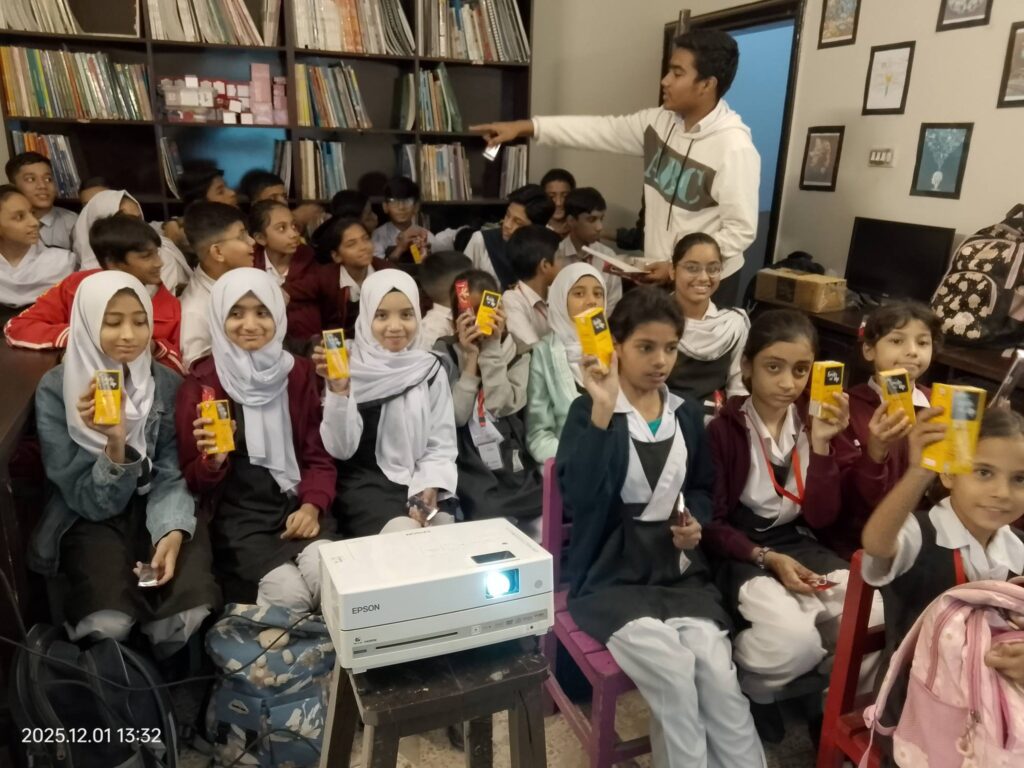
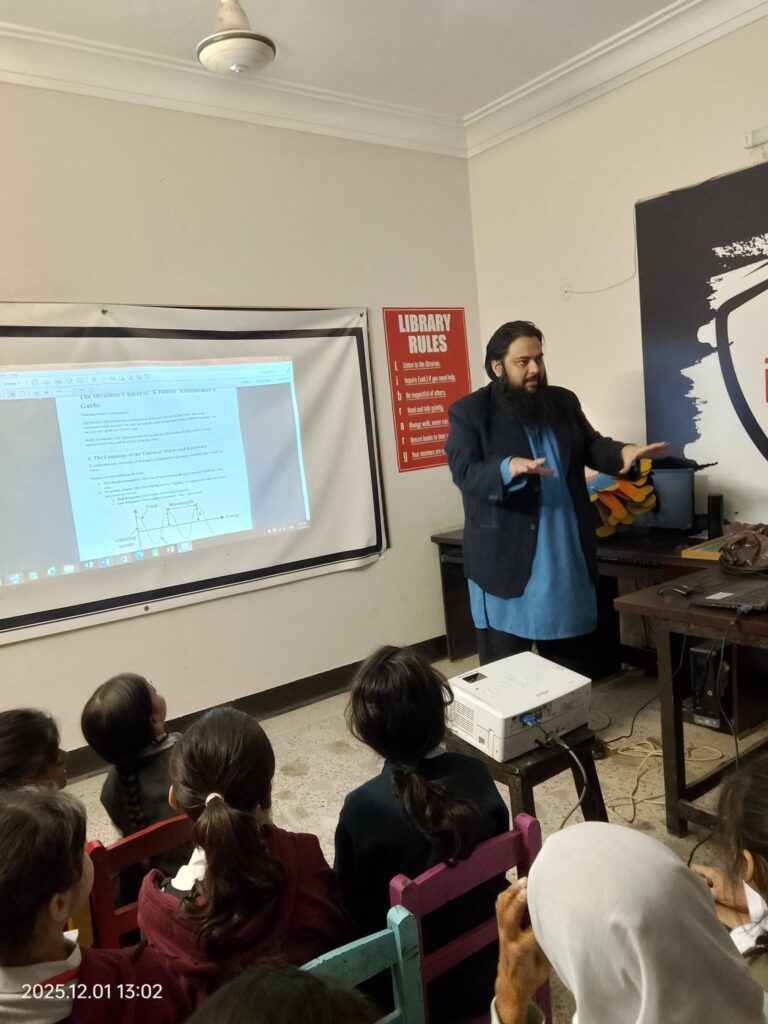
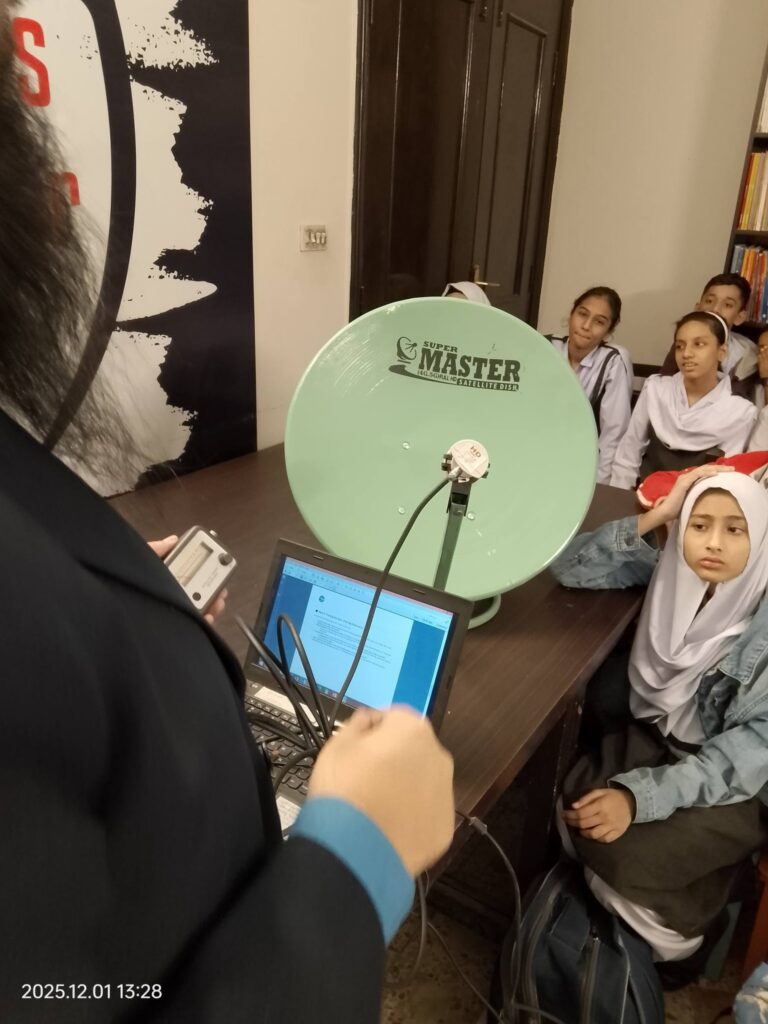
While the online space provided broad reach, targeted onsite visits offered a personal touch. In December 2025, the RADIIO team brought the wonders of the cosmos to the Theory Schooling System in Malir, Karachi.
Though faculty members were highly engaged, the sessions were tailored directly for the youth. Seventh and eighth graders actively participated in hands-on assessments, while younger students observed the activities with genuine curiosity. The seeds planted that winter grew into something truly special just a few months later.
During a joint online global showcase in March 2026, the students of the Theory Schooling System presented their very own low-cost radio telescope. It was a remarkable milestone, marking the first time such a project was successfully built at the school level in Pakistan.
It was a heartwarming moment, demonstrating that with the right guidance, middle school students can grasp and apply complex engineering concepts.
Bridging Earth and Space in Lahore
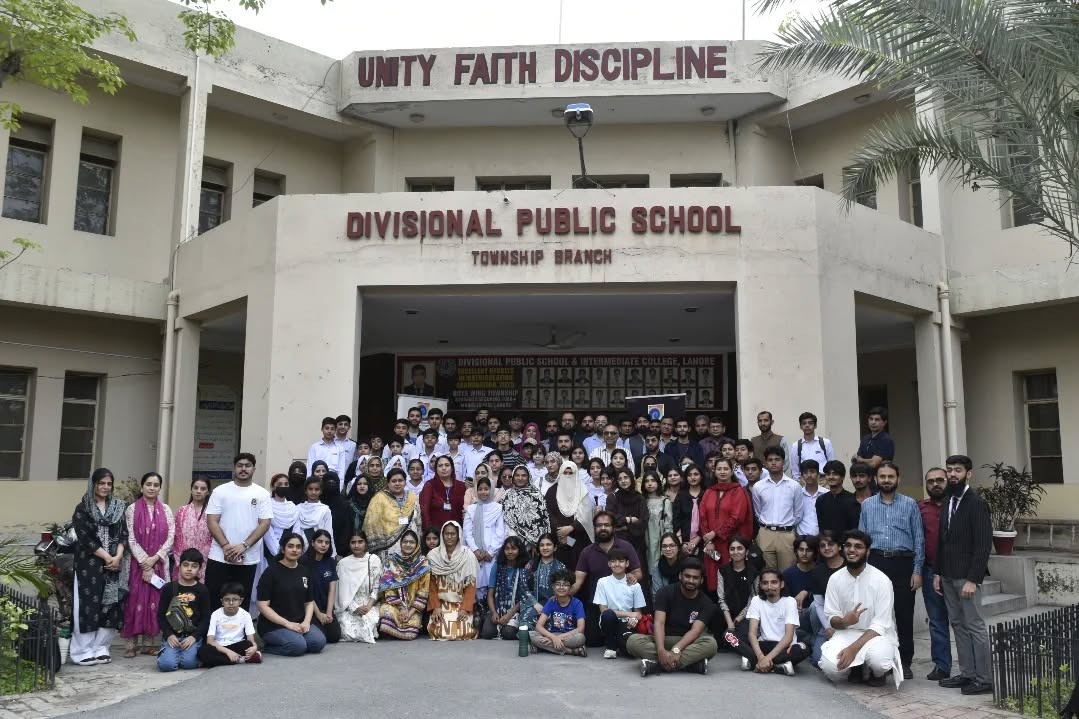
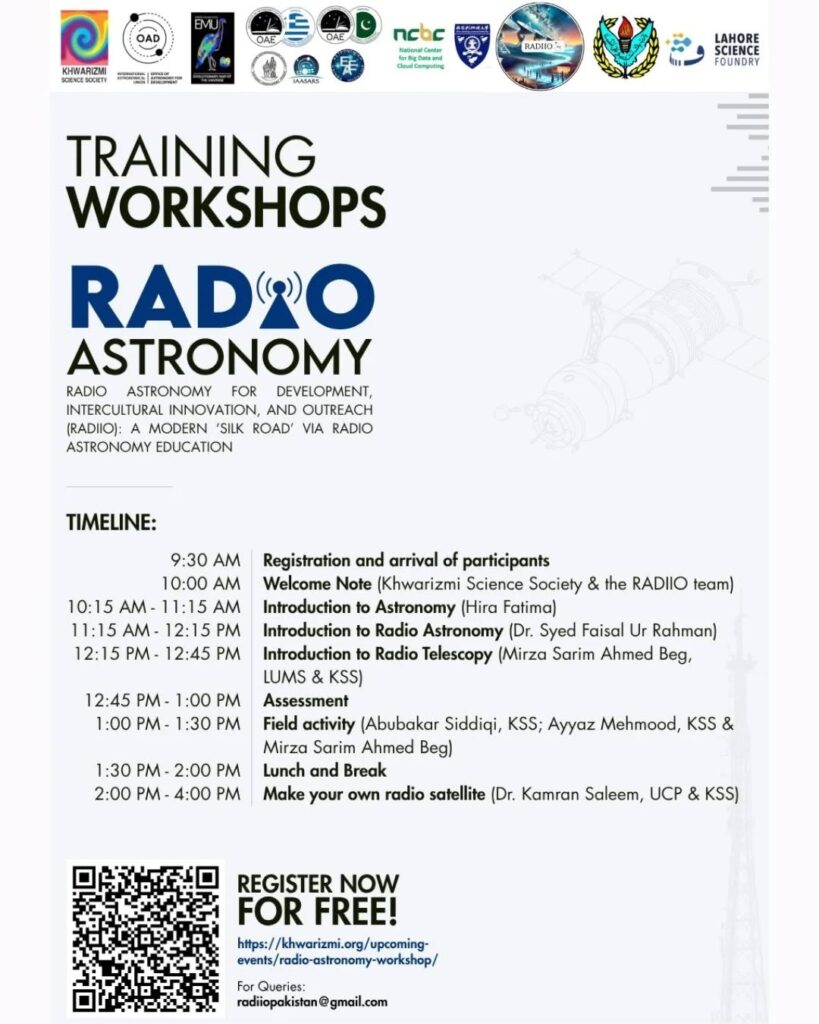
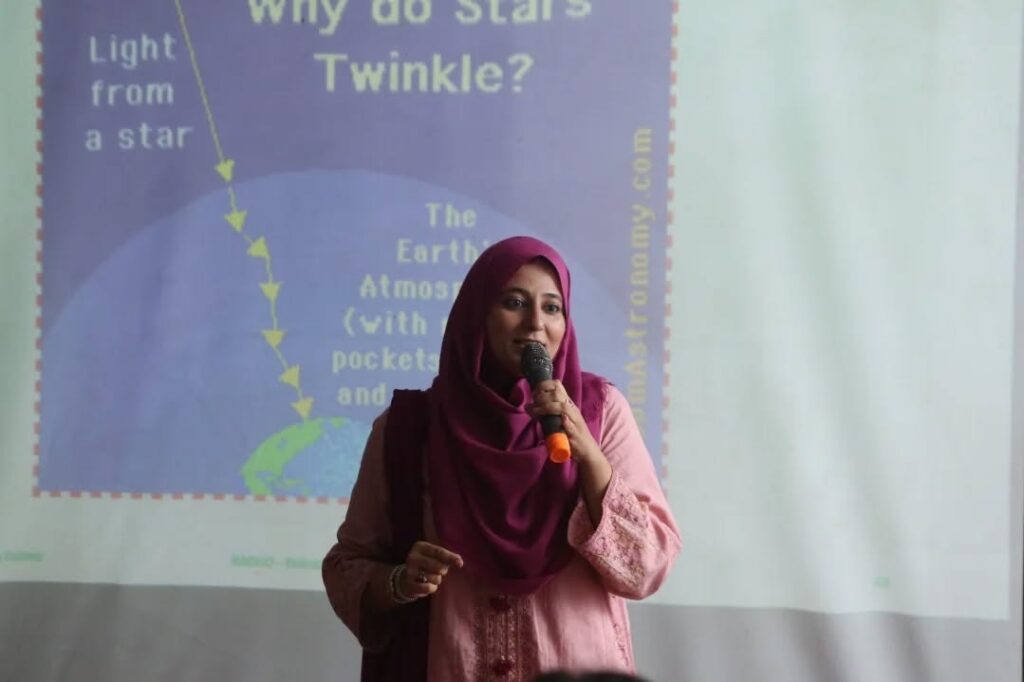
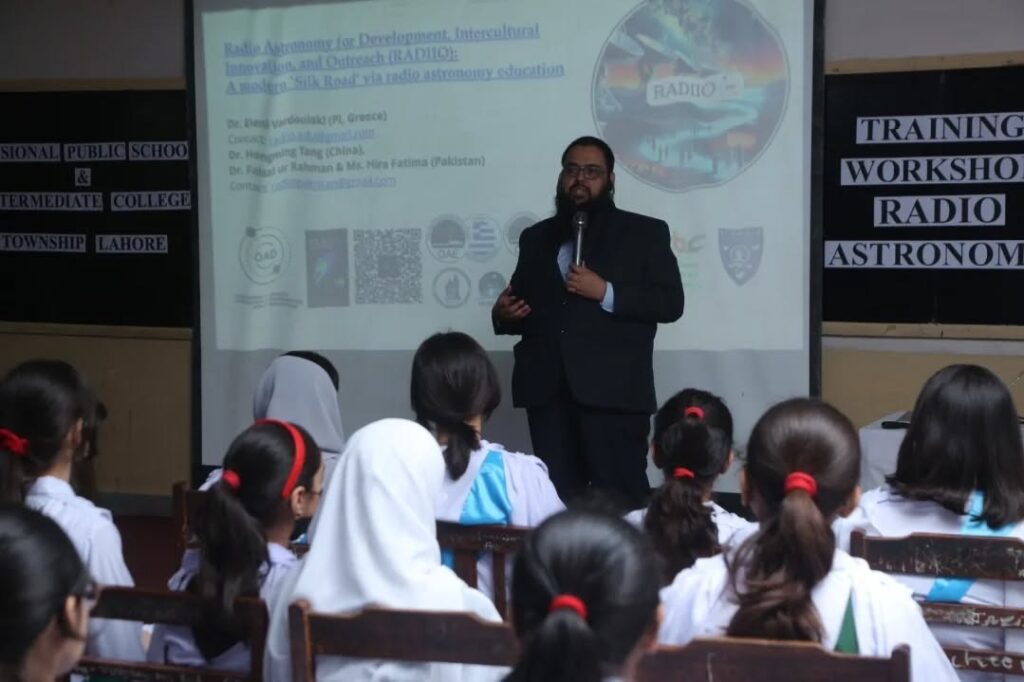
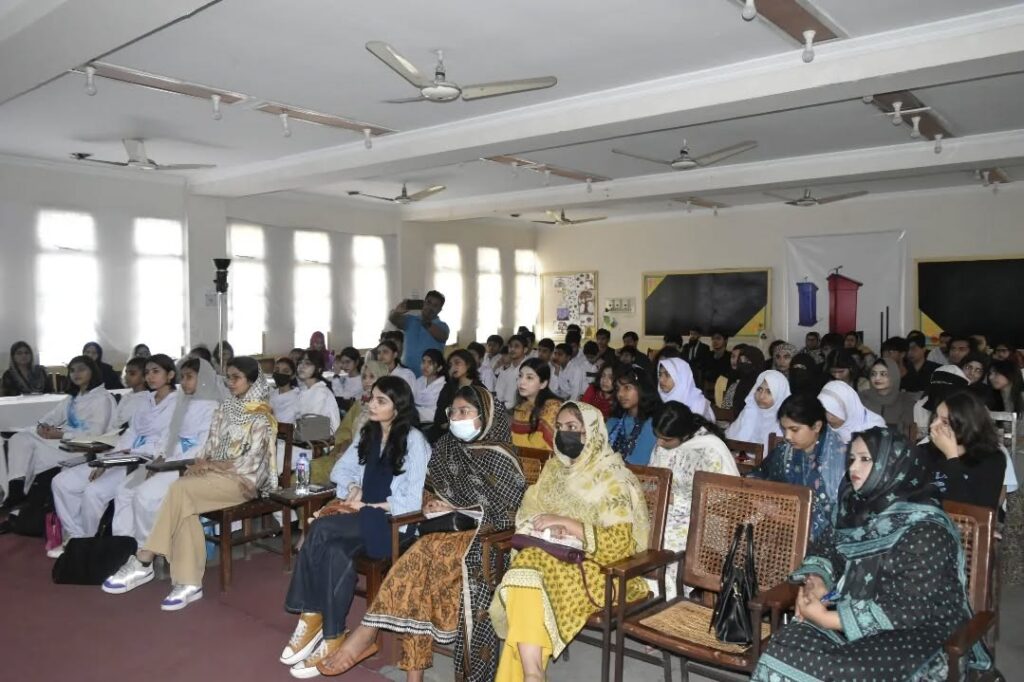
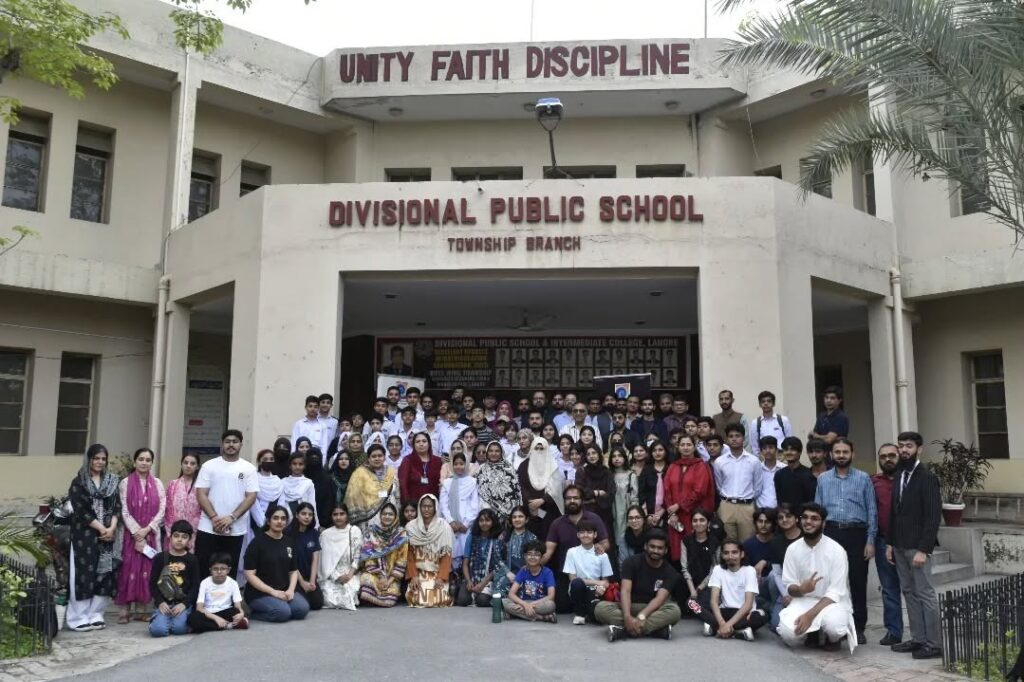
The momentum continued into the spring. In April 2026, the project arrived in Lahore for a comprehensive workshop coordinated alongside KSS at the Divisional Public School and Intermediate College. The welcoming atmosphere drew not just students and teachers, but a strong community turnout of parents and volunteers.
To broaden the educational experience beyond the core radio astronomy curriculum, the team connected ground-based observation with space-based technology. In an engaging collaboration with the Space Research Center (SRC-UCP) team, students learned the fundamentals of CanSats, exploring the mechanics of miniature satellites.
Building a Sustainable Future for Science
Sustainable educational outreach requires leaving a lasting foundation. To ensure the exploration of the cosmos continues in Pakistan, the RADIIO project has provided its core participating schools and independent learners with permanent access to a comprehensive digital library.
Filled with recorded lectures, instructional videos, hands-on tutorials, and laboratory exercises, this shared resource hub ensures that the curriculum will remain available long after the initial funding period. Educators and students are now well-equipped to navigate their scientific journeys independently.
They are now part of our mailing list so that we can keep them updated about the upcoming learning opportunities. There are dedicated Whatsapp groups for all workshop cohorts so that we can provide teachers ongoing support as they implement the RADIIO curriculum at their schools.
Astronomy for a Better World: Aligning with Global Goals
The RADIIO project is deeply rooted in the core philosophy of the IAU OAD, which champions the idea of using astronomy as a tool to stimulate global development and capacity building. By translating complex astrophysics into accessible community programs, the initiative successfully advanced several United Nations Sustainable Development Goals (SDGs):
- Quality Education (SDG 4): By offering free, high quality curriculum in both digital and physical formats, the project provided inclusive learning opportunities that go far beyond standard textbook science.
- Industry, Innovation, and Infrastructure (SDG 9): Introducing students to Python programming, telescope engineering, and CanSat development helps build the foundational technical skills needed for future scientific innovation.
- Reduced Inequalities (SDG 10): By delivering complex scientific concepts in regional languages like Urdu, the project helped lower the barrier to entry for students who might otherwise be left out of global scientific conversations.
- Partnerships for the Goals (SDG 17): The entire initiative is a testament to global cooperation, successfully uniting institutions across Greece, Pakistan, China, and various local organizations to achieve a shared educational vision.
Looking Ahead
The journey of the RADIIO project offers valuable insights for future science awareness initiatives. It highlights the importance of maintaining flexibility when navigating regional challenges, and it shows that leveraging regional languages like Urdu is a wonderful way to foster intercultural knowledge sharing.
By introducing everyday students to the world of radio astronomy, the RADIIO project has gently opened a new window to the universe, nurturing the next generation of scientific thinkers in Pakistan.
By Syed Faisal ur Rahman and Hira Fatima
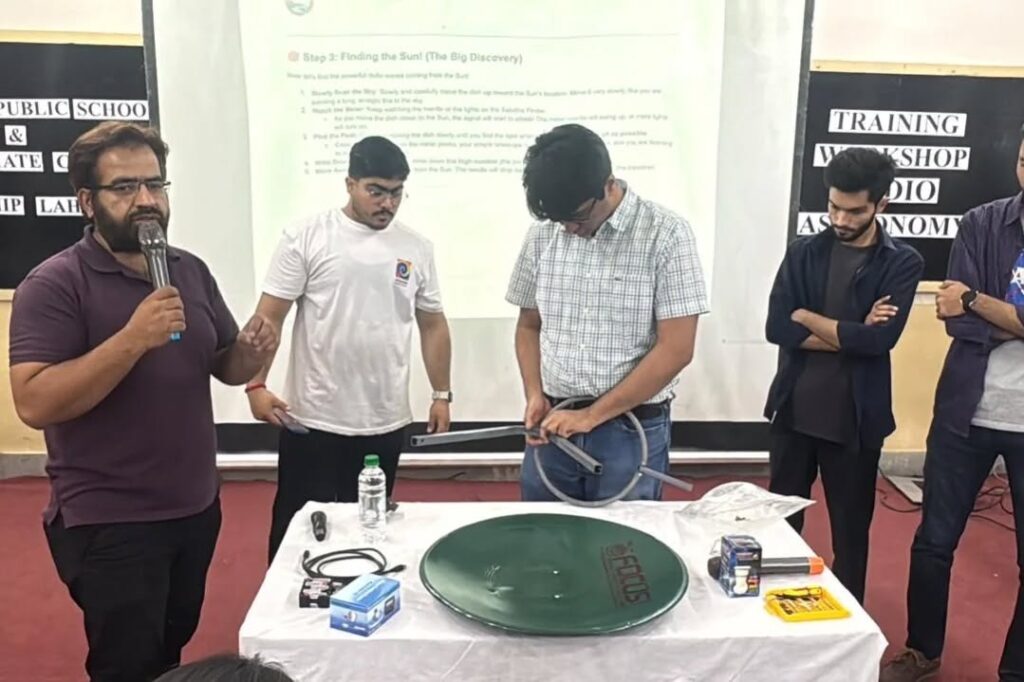
Theory Schooling System Workshop – Karachi
Leave a Reply